Timeline
- Your personal guide along with the LOCAL guide will pick you up from the meeting point you have set within Attica to start the sightseeing tour of Athens.
Ancient Olympia is built at the foot of a mountain, in the valley where the Alfios River flows. As a city, ancient Olympia is calm, mainly based on agriculture, since it belongs to the prefecture of Peloponnese, which is famous for the cultivation of mainly olives and citrus fruits. It used to be the seat of the homonymous Kapodistrian municipality, which belonged to the then Prime Minister of Greece, Ioannis Kapodistrias. Although a tranquil city, it has special beauties and nice local flavors that it can offer to its travelers. For more information about the food, we recommend that you consult your guide.
- Archaeological Place of Olympia
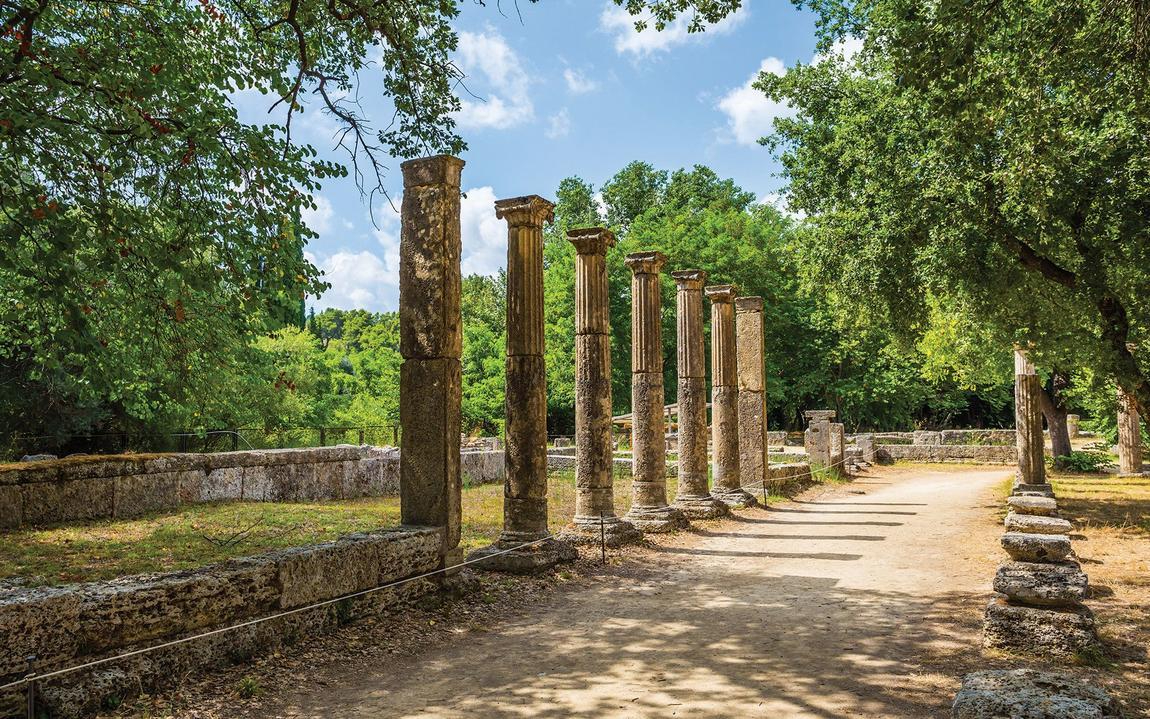
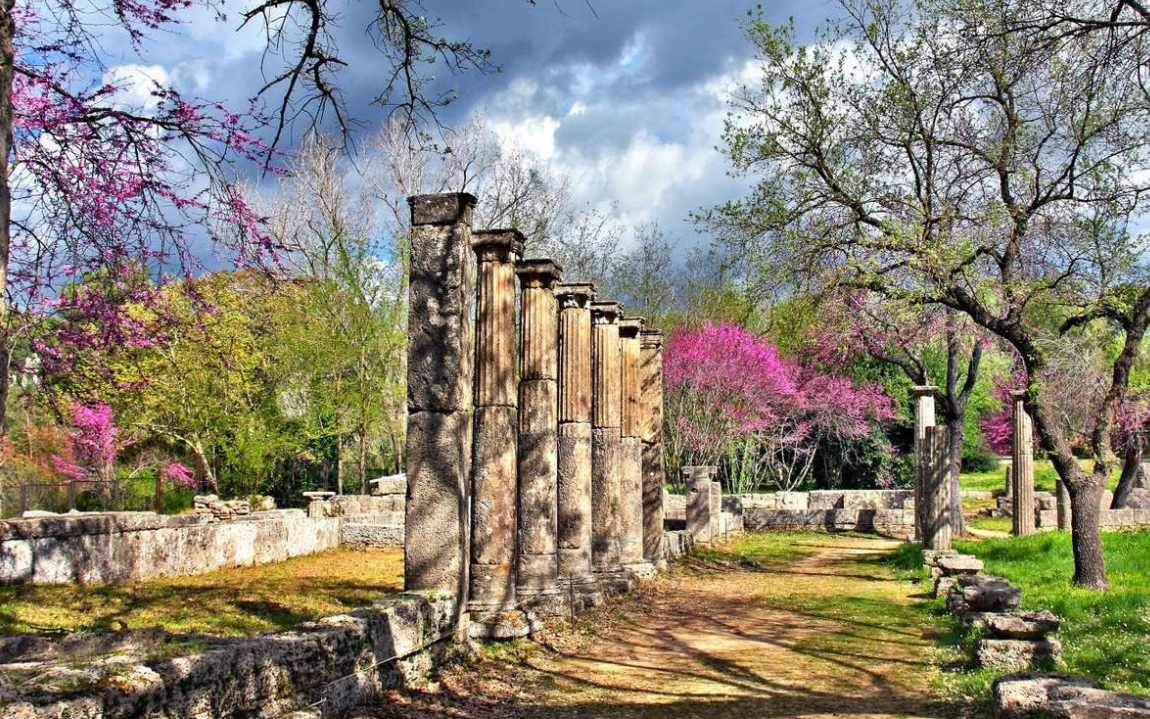
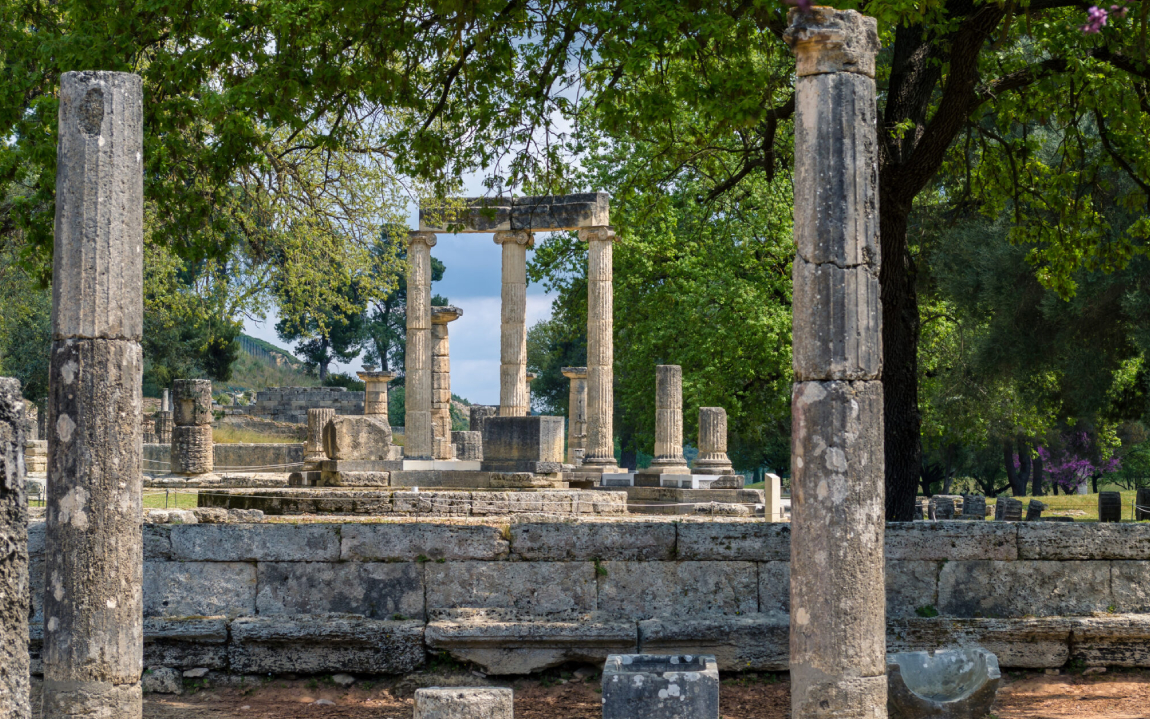
Olympia was called Altis, meaning Sacred Grove. Initially, it was a rural settlement and gradually evolved into the largest religious center of the ancient world. There was for about a thousand years the golden-ivory statue of Zeus, the work of Pheidias, which was known in antiquity as one of the seven wonders of the world, before its total destruction. Today, within the historical site, beautiful monuments such as the Temple of Zeus, the Temple of Hera, the Bouleuterion, the Prytaneion, the ancient stadium and its entrance, the gymnasium, where the athletes were preparing for the games, and many more, which you will have the opportunity to admire.
- Archaeological Museum of Olympia
Enriched with some of the most important ancient works of art in the world, such as the Victory of Paeon, the Female Griffin and Apollo from the west pediment of the Temple of Zeus.
For lovers of wine, but also of its production process, inside the City of Ancient Olympia, there is this special factory that produces a variety of delicious wines every day.
- Museum of the Olympic Games
The starting point of the Olympic Games is placed in 776 BC and was held every four years. However, the Games are already held much earlier, because according to their tradition, Pelops started, who defeated the king of Pisa, Oinomaus, in a chariot race.
The operation of the sacred site continued normally during the early Christian years during the reign of Constantine the Great. In 392 A.D. the last Olympic Games took place and a little later the Byzantine Emperor Theodosius I, with his decree, definitively forbade their celebration because they were considered pagan, while during Theodosius II, the final destruction of the sanctuary took place (426 A.D.).
Inside the museum you will see various relics related to the beginning and history of the top sporting event on the planet.
A place for lovers of art and clay constructions.
- Pierre de Coubertin Monument
French baron who revived the modern Olympic Games. His special wish was that after his death his heart be buried in his favorite place, ancient Olympia. This is how it happened, in 1938, and since then the city has hosted this monument, accompanied by beautiful gardens.
- Agora of Ancient Olympia
- Return transfer to the location of your choice within Athens